Ontario's Premier Fabricator
and Installer of Metal Roofing
London Eco-Metal Blog

Metal Roofing Blog

Featured

Discover Why Steel Roofs Survive Ontario’s Worst Weather

Roofs take a beating from heavy snow, driving rain, and sudden temperature swings. Steel roof installation gives homes and buildings a roof built to hold up through the roughest weather any season can bring.

Why Steel Handles Harsh Weather So Well

Steel roofing brings a mix of strength and flexibility that many other roofing materials cannot match. It resists cracking in the cold and holds strong under heavy snow load without buckling.

Key strengths of steel roofing:

  • High resistance to cracking during sharp temperature drops

  • Strong load-bearing capacity for heavy snow accumulation

  • Resistance to warping or curling that plagues other materials

  • A smooth surface that sheds snow and ice more easily

These traits combine to make steel one of the more dependable roofing choices for regions facing extreme seasonal swings.

Standing Strong Against Snow and Ice

Heavy snow load puts real stress on any roof, and ice buildup along edges can cause serious damage over time. Steel roofing handles both threats better than many traditional materials.

Snow and ice benefits include:

  • A slick surface that encourages snow to slide off naturally

  • Strong panels that resist bending under heavy accumulated weight

  • Fewer seams where ice dams can form and cause backup

  • Proper installation details that guide melting snow safely off the roof

Snow sliding off naturally reduces the added weight and stress that heavy accumulation puts on the structure below.

Handling Wind and Rain Without Fail

Storms bring a combination of wind and rain that tests every weak point in a roof at once. Steel panels, properly installed, resist both threats far better than lighter or more brittle materials.

Wind and rain performance includes:

  • Panels rated for high wind resistance based on install method

  • Tight seams that keep rain from seeping through weak points

  • Fasteners protected from direct weather exposure

  • Proper flashing that channels water away from vulnerable areas

A well-installed steel roof turns storm season from a source of worry into a non-issue for most homeowners.

The Role of Proper Installation

Even the strongest material fails without proper installation. Steel roofing depends on correct fastening, sealing, and flashing to deliver the weather resistance it is known for.

Installation factors that matter most:

  • Correct fastener spacing and type for the specific panel style

  • Proper underlayment beneath the steel panels

  • Sealed seams and edges to block moisture entry

  • Flashing details around chimneys, vents, and valleys

Correct installation technique matters just as much as material choice when it comes to real-world weather performance.

Comparing Steel to Other Roofing Materials

Owners comparing roofing options often weigh steel against shingle or older metal styles. Each material offers different strengths, but steel tends to outperform in areas facing extreme seasonal weather.

Comparison points include:

  • Longer expected lifespan compared to standard shingles

  • Better snow and ice shedding than flat or textured surfaces

  • Lower long-term maintenance needs across freeze and thaw cycles

  • Stronger resistance to cracking during sharp cold snaps

These advantages often make steel worth the higher upfront cost for owners facing tough, unpredictable weather each year.

Maintenance That Keeps a Steel Roof Performing

A steel roof needs less upkeep than many other materials, but a bit of regular care keeps it performing at its best through every season.

Simple maintenance steps include:

  • Checking seams and flashing after major storms

  • Clearing debris from valleys and gutters each season

  • Watching for scratches or chips in the protective coating

  • Scheduling a professional check every few years

These small habits protect the long-term performance that makes steel roofing worth the investment in the first place.

A Roof Built for the Toughest Seasons

Weather does not let up, and a roof needs to handle whatever a season throws at it without fail. Steel roofing offers that kind of dependable strength, season after season.

If your current roof struggles through harsh weather every year, a steel roof installation may be the fix you need. London Eco Metal specializes in steel roofing built to handle extreme seasonal conditions. Reach out to London Eco Metal to start planning a roof that will hold strong for years to come.
Outsmart Autumn Storms With a Tougher Roof Choice

Fall storms push roofs to their limit with wind, rain, and sudden temperature swings. Standing seam roofing stands up to that stress better than many older roof styles, protecting homes through the toughest part of the year.

What Makes Standing Seam Different

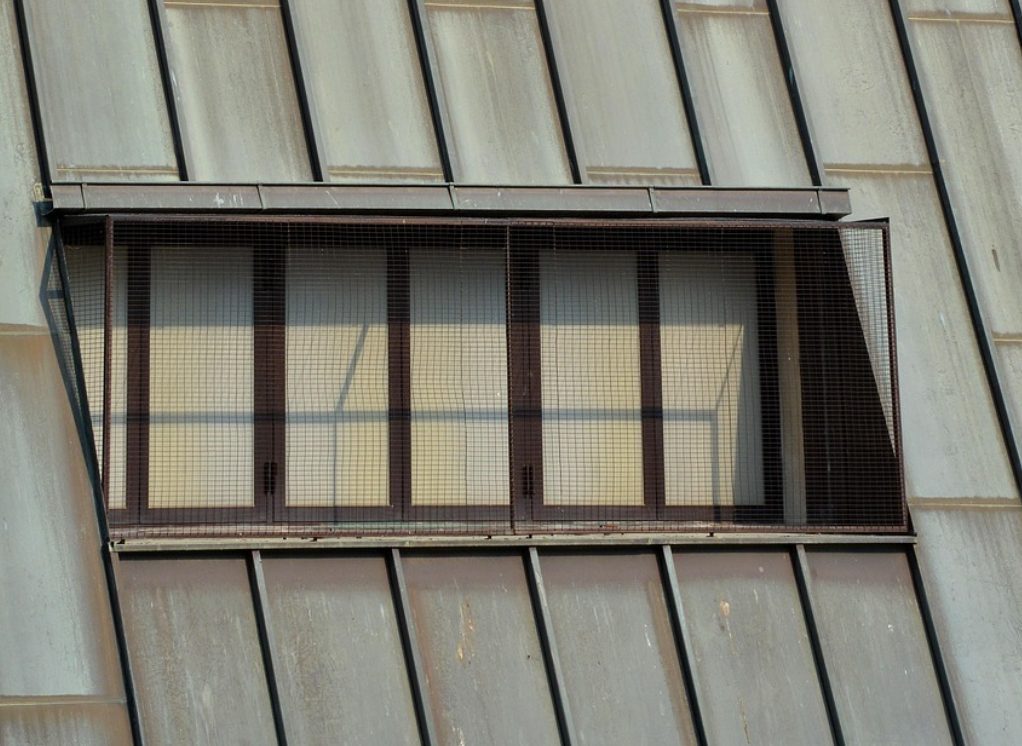
Standing seam roofing uses raised, interlocking seams that run vertically along the roof panels. This design closes off the weak points that let water and wind slip under older roof styles.

Key features that set it apart:

  • Raised seams that lock panels together without exposed fasteners

  • Long, continuous panels with fewer gaps and seams overall

  • A smooth surface that sheds rain and snow quickly

  • Fasteners hidden beneath the seam, protected from weather

This tight, interlocked build gives the roof far fewer entry points for water compared to shingle or older metal styles.

How This Roof Style Handles Heavy Wind

High wind during fall storms often lifts and tears at loose roof edges. Standing seam panels resist that lift far better thanks to their interlocking design and secure fastening method.

Wind resistance benefits include:

  • Panels that lock together, reducing loose edges wind can grab

  • Fasteners tucked under seams, out of direct wind exposure

  • Fewer overlapping pieces that can flap or lift in gusts

  • A rating system that lets buyers compare wind resistance by panel type

Interlocking seam design gives this roof style a real edge when storms bring sustained high winds.

Standing Up to Heavy Rain

Rain testing a roof’s limits often reveals weak spots at seams and edges first. Standing seam panels are built with that exact weak point in mind, using raised seams to keep water moving off the roof instead of pooling or seeping through.

Rain-handling advantages include:

  • A steep, smooth surface that speeds water runoff

  • Raised seams that sit above the flow path of water

  • Fewer horizontal seams where water could pool and seep in

  • Proper flashing details at valleys and edges to guide water away

Raised seam placement keeps water moving along the roof surface instead of pooling at weak seams.

Why This Roof Lasts Through Repeated Storm Seasons

A roof facing storm after storm each fall needs more than short-term strength. It needs to hold up through years of repeated stress without breaking down.

Longevity factors include:

  • Materials resistant to rust and corrosion over time

  • Coatings that hold color and protect against sun damage

  • A design with fewer parts that can loosen or wear out

  • Lower maintenance needs compared to older roofing styles

Long-term material durability matters just as much as how a roof performs during any single storm.

Comparing Upfront Cost to Long-Term Value

Standing seam roofing often costs more upfront than basic shingle roofing. That gap narrows over time, since fewer repairs and a longer lifespan both add real value across the years a roof stays in place.

Value factors to weigh:

  • Lower repair frequency compared to shingle roofs

  • Extended lifespan that can span several decades

  • Reduced risk of storm damage claims over time

  • Potential savings on insurance for storm-resistant roofing

Owners planning to stay in a home long-term often find the higher upfront cost pays off well before the roof needs replacing.

Signs Your Current Roof May Not Hold Up

Before the next storm season, take a look at your current roof for signs it may struggle against wind and rain. Catching weak spots early avoids emergency repairs mid-storm.

Watch for:

  • Curling, cracked, or missing shingles

  • Rust spots on older metal roofing

  • Loose or lifted flashing around vents and chimneys

  • Visible sagging or uneven roof lines

Any of these signs point to a roof that may not handle a rough storm season well.

Building a Roof That Handles What Fall Brings

Storm season tests every roof, but some styles are simply built to handle that test better than others. A tougher roof choice now means fewer worries every time the wind picks up.

If your roof has struggled through past storms, it may be time to consider a stronger option. London Eco Metal builds and installs standing seam roofing designed to hold up through tough weather. Reach out to London Eco Metal to plan a roof built for whatever the season brings.

steel roof panels

Why Ontario Homes Are Switching To Steel Roofing 2026

steel roof panels

Ontario homeowners want roofs that last, look good, and hold up in rough weather. Steel roof panels can meet those needs with strong build quality and a clean finish that suits many home styles.

A Better Match For Local Weather

Ontario roofs face rain, snow, ice, and strong summer sun. That mix can wear down weaker roof types fast. Steel roof panels offer a strong layer that can stand up to those shifts with less strain.

This makes them a good fit for homes that need steady roof protection through the year. Steel roof panels can help keep the house covered without adding a lot of upkeep. That is a big reason more owners are taking notice.

A Cleaner Look For The House

A roof shapes how the whole home looks. Steel roofing gives many homes a neat, sharp finish that feels modern but not flashy. That can help boost curb appeal in a simple way.

It also comes in styles that work with many house types. Steel roof panels can fit new builds, older homes, and home updates with equal ease. That gives owners more room to choose a look they like.

Less Work After Install

Many homeowners want roof care to be simple. Steel roofing can help with that by cutting down on repeat fixes and regular wear issues. That can save time and reduce stress over the years.

It can also help the home stay more stable in stormy weather. Steel roof panels are a solid pick for owners who want fewer roof worries and more peace of mind. That makes them a practical long-term choice.

Good For Many Home Types

Steel roofing works well on many homes across Ontario. It can suit family houses, rental homes, and properties that need a durable roof with a clean finish. The roof can also help the home feel more secure in rough seasons.

  • Strong storm resistance.

  • Long-term value.

  • Low day-to-day care.

  • Clean, modern style.

These traits make steel roof panels a strong fit for many owners. They bring useful performance without making the roof feel overly complex.

Why The Switch Makes Sense

A new roof is a big choice, so homeowners want real value. Steel roof panels can offer that by giving the home strong weather protection and a look that holds up over time. That mix is hard to ignore.

For homes in Ontario, that can mean better comfort and fewer roof issues. A roof that lasts longer can also help the owner feel better about the money spent. That is why the switch keeps growing.

A Roof That Works Hard

Steel roofing gives Ontario homes a practical way to handle weather and style at once. It helps the house stay ready for stormy days while keeping a clean look from the street. That makes it a smart roof choice for many families.

For more on this kind of work, see London Eco Metal. London Eco Metal can help you choose steel roof panels that fit your home and your goals.

metal roof toronto

Install A Roof That Shrugs Off Tough Weather

metal roof toronto

A roof should do more than cover a house. It should stand up to wind, rain, snow, and heat without constant worry. Metal roofing can help Toronto and Ontario homes handle rough weather with less stress and a cleaner look.

Built For Hard Seasons

Ontario weather can shift fast. One week may bring heavy rain, and the next may bring strong sun or late snow. A roof that holds up well through those swings can save owners a lot of trouble.

Metal roofing works well in this kind of climate because it can shed water fast and stand firm in storms. That makes it a smart choice for homes that need steady protection through spring, fall, and winter. It also gives the house a more finished look from the street.

Less Worry Over Time

Many homeowners want a roof they do not have to think about all the time. A strong metal roof can help cut down on repeat repairs and patch jobs. That can make life easier for busy families and property owners.

Metal roofing can also resist wear from sun and moisture better than many older roof types. That means the roof can stay useful and look good for longer. For many homes, that is a big part of the appeal.

A Smart Fit For Ontario Homes

Homes across Toronto and the GTA face a mix of weather, tree cover, and seasonal mess. A roof has to deal with all of it. Metal roofing gives the home a tough outer layer that can help keep the inside more stable.

It also works well on both new homes and roof updates. Some owners like the clean lines, while others like the low-care feel. Either way, the roof can support the home without adding much daily work.

What Makes It Stand Out

A metal roof offers more than just strength. It can also help with energy use and give the home a more modern style. That makes it a good fit for owners who want both function and appearance.

  • Strong weather protection.

  • Long service life.

  • Clean, modern look.

  • Less ongoing roof care.

These points make metal roofing a strong option for many Ontario homes. It gives owners a roof that feels practical and polished at the same time.

Good For Busy Families

When a roof holds up well, the home feels easier to manage. There is less need to worry after storms, and less time spent on patch work. That can be a real relief during the busy parts of the year.

Metal roofing can also help families feel more secure during rough weather. That peace of mind matters when snow, wind, or heavy rain roll through. A roof that stays steady lets the rest of the home do the same.

A Strong Choice For The Long Run

A roof is one of the most important parts of a house. If it is built well, it can support the whole home for years. That is why many Ontario homeowners are taking a closer look at metal options.

For more on this kind of work, see London Eco Metal. London Eco Metal can help you install a roof that shrugs off tough weather and fits your home for the long run.

7 Steel Roofing Profiles Ontario Builders Rely On

Ontario builders face everything from lake‑effect snow to strong winds and summer heat, so the steel roofing profiles they choose must do more than look good. The shape, height, and fastening method of a profile all influence how it sheds water, handles ice, resists uplift, and aligns with different architectural styles. In practice, a handful of profiles have become trusted favourites because they balance performance, appearance, and installation efficiency.

Instead of treating steel roofing as one generic option, builders think in terms of panel shapes and patterns, choosing specific profiles for cottages, farmhouses, urban infills, and commercial structures.

1. Classic Standing Seam

Standing seam profiles with raised vertical ribs are a go‑to choice for modern homes and high‑end projects. The concealed fasteners and continuous seams help:

  • Keep water out of critical attachment points.

  • Provide strong resistance to wind and driving rain.

  • Create a sleek, contemporary look that appeals to many homeowners.

Ontario builders rely on standing seam for roofs where both aesthetics and long‑term weather performance are priorities.

2. Traditional Corrugated Panels

Corrugated steel panels with repeating waves remain popular for agricultural buildings, cottages, and some rustic residential projects. Their benefits include:

  • Excellent drainage due to the curved profile.

  • High strength relative to weight.

  • A timeless, utilitarian look that fits barns, workshops, and cabins.

Builders often choose corrugated profiles where function and straightforward installation matter most.

3. Metal Shingle Profiles

Steel shingles mimic the look of traditional roofing materials while offering the advantages of metal. Profiles that resemble asphalt shingles, slate, or wood shakes allow:

  • A more conventional appearance in established neighbourhoods.

  • Compatibility with older home styles that might not suit large panels.

  • Improved durability compared to many non‑metal options.

Ontario builders rely on these profiles when clients want the benefits of steel without a noticeably industrial or ultra‑modern look.

4. Low‑Profile Ribbed Panels

Low‑ribbed panels with subtle vertical lines offer a middle ground between standing seam and flat metal. They provide:

  • Clean visual lines without the taller ribs of classic standing seam.

  • Solid structural performance and strong attachment points.

  • Versatility across residential, light commercial, and outbuildings.

These profiles help builders meet aesthetic preferences while still delivering reliable performance.

5. High‑Rib Structural Panels

In areas with heavy snow loads or larger spans, high‑rib structural panels are a staple. The deeper ribs can:

  • Increase strength across longer distances.

  • Support snow and ice loads without excessive deflection.

  • Emphasize vertical lines in the roof design.

Ontario builders often specify these profiles on wide agricultural roofs, industrial buildings, or large garages.

6. Tile‑Inspired Steel Panels

Steel panels formed to resemble clay or concrete tiles give a distinctive, textured look without the weight of traditional tile. They allow:

  • Bold roof designs on homes that want European or Mediterranean flair.

  • Better performance in cold climates than some actual tile materials.

  • Reduced structural demands compared to heavy masonry tiles.

Builders may choose these profiles for custom homes or renovations where visual impact is a major goal.

7. Hidden‑Fastener Modular Panels

Modular steel panels with hidden fasteners combine ease of installation with a clean finish. They are designed to:

  • Reduce visible screws for a more polished appearance.

  • Simplify alignment and overlapping during installation.

  • Offer flexible use on both roofs and walls in some designs.

Ontario builders value these profiles for projects that need efficiency on site plus a refined final look.

Why Builders Keep Coming Back To These Profiles

Across Ontario, builders rely on these seven steel roofing profiles because they cover the main needs they encounter: modern and traditional aesthetics, strong weather resistance, and reliable installation methods.

Suppliers like London Eco Metal can help match specific profiles to each project’s structural requirements and design goals, making it easier to choose steel roofing Ontario homeowners and developers will be happy with for decades.

Metal Roof Installations: Toronto Buyers Compare 2026

In 2026, more Toronto homeowners are seriously considering metal roof installation instead of simply defaulting to traditional asphalt. Rising weather extremes, concerns about long‑term costs, and interest in modern curb appeal have all pushed metal into the mainstream. Buyers now compare options with questions about how well a roof will handle wind, heavy snow, intense sun, and sudden storms over decades—not just the next few years.

A metal roof answers those concerns with long life expectancy and stable performance. Instead of planning for another replacement in 12–15 years, homeowners are often looking at products rated for several decades of service with minimal degradation. That long horizon changes how buyers think about value.

What Toronto Buyers Now Compare Before Choosing

When homeowners look at metal roof installation in 2026, their comparisons usually focus on four main areas:

  • Durability and lifespan
    How long the roof is expected to last, and how well it resists rust, fading, and damage from hail or wind.

  • Energy efficiency
    Whether the roofing reflects heat, helps keep attics cooler, and potentially lowers summer cooling costs.

  • Style and curb appeal
    The range of colours and profiles available, and how well they match the architectural style of older Toronto homes and newer builds.

  • Total cost of ownership
    Not just the upfront price, but also maintenance needs and the likelihood of future replacement.

Buyers are weighing these factors together, often accepting a higher initial investment in exchange for fewer replacements and repairs down the line.

Installation Quality: The Hidden Factor In Comparisons

As homeowners research metal roofing, many discover that the installation itself is as important as the product. A well‑made panel or shingle can still perform poorly if installed without attention to details such as:

  • Proper underlayment and ventilation to manage moisture and heat.

  • Correct fastener type and placement to resist wind uplift.

  • Thoughtful flashing and transitions around chimneys, valleys, and skylights.

Because Toronto weather includes freeze‑thaw cycles and sudden temperature swings, those installation details matter. Buyers in 2026 are asking more questions about the crew’s experience, training, and track record, not just the brand name on the panels.

Comparing Metal To Other Roofing Options

When metal roof installation is compared to asphalt or other materials, homeowners often note:

  • Metal’s longer lifespan and better resistance to curling, cracking, and granule loss.

  • The clean, modern lines and colour options that can refresh older homes.

  • The reduced waste over time, since fewer replacements mean fewer torn‑off shingles going to landfill.

For some buyers, the decision is driven mainly by durability and performance. For others, it is the chance to give the home a sharper, more contemporary look while still gaining functional benefits.

How London Eco Metal Fits Into 2026 Decisions

Companies like London Eco Metal help Toronto homeowners navigate these comparisons by offering product choices, colour ranges, and clear explanations of installation practices. Instead of guessing which metal roof will work best, buyers can look at specific profiles, warranties, and completed projects to see how options perform in real neighbourhoods.

In 2026, metal roof installation is less about a single “best” choice and more about finding the right combination of durability, style, and long‑term value for each home.

Are Metal Roof Panels Really Good Enough For Hail And Heat?

Metal roof panels are more than “good enough” for hail and heat—they are built for exactly the kind of wild weather swings Ontario sees, from golf‑ball hail to hot, sunny summers. The key is choosing quality panels, the right gauge, and proper installation.

How Metal Roofs Handle Hail

Most quality metal roofing systems earn a Class 4 impact rating, which is the highest level of impact resistance used in roofing tests. That means they are engineered to withstand impacts from standardized hail‑like projectiles without cracking or losing their protective surface. Unlike asphalt shingles, which can split or lose granules on impact, metal roofing spreads the force over a wider area, helping prevent punctures and leaks.

Average hail in southern Ontario is usually not large enough to cause structural damage to metal panels, though very large hail can sometimes leave cosmetic dents. Even then, the roof typically remains watertight and protective, which matters more than appearance when it comes to protecting your home.

Why Metal Performs So Well In Heat

A common myth is that metal roofs make homes hotter, but the opposite is usually true with modern systems. Metal roofing can be manufactured with reflective “cool roof” coatings or light colours that reflect a significant portion of the sun’s energy instead of absorbing it. These surfaces reduce heat gain through the roof and help keep attic and indoor temperatures more stable, which can lower cooling loads in summer.

Metal also sheds heat quickly once the sun goes down or a cloud passes, instead of holding onto heat the way some traditional materials do. When paired with proper insulation and attic ventilation, a metal roof contributes to year‑round comfort rather than acting like a “heat magnet.”

Built For Harsh, Changing Climates

Metal roofing is designed to flex with temperature swings, resist cracking, and stand up to high winds, so it performs well in regions with both hail and heat. Many systems carry Class A fire ratings and are non‑combustible, which adds another layer of security during lightning storms or nearby fires. With life expectancies often in the 40–70 year range, homeowners typically face fewer repairs and replacements compared with traditional shingle roofs.

For Ontario homeowners wondering whether metal panels are tough enough for summer hailstorms and heat waves, the answer is yes—provided you choose the right panel thickness, profile, and installer. Features like thicker steel gauges, impact‑rated systems, and profiles that hide minor cosmetic marks can make your roof even more resilient in rough weather.

Why Talk To London Eco‑Metal About Hail And Heat

London Eco‑Metal specializes in metal roofing systems designed for Canadian conditions, including hail, summer sun, heavy rain, and winter snow. The team can walk you through impact ratings, panel gauges, and colour options that improve both durability and energy efficiency on your specific home. If you are comparing a new shingle roof to a metal system, they can show you how a metal roof handles hail and heat over decades, not just a few seasons, so you can make an informed investment.

7 Roof Inspection Checks Buyers Should Do Before A Summer Offer

When summer listings hit the Toronto market, roofs can look “fine” from the driveway but hide a five‑figure problem. A quick, smart roof check before you make an offer can save you from surprise leaks and early replacement bills.

Here are 7 simple checks buyers can do before calling in a roofer.


1. Stand Back And Scan The Roofline

From the sidewalk or across the street, look at the overall shape of the roof. It should look straight and even.

  • Sagging, dips, or waves in the roof plane can signal long‑term moisture damage or structural issues.

  • A visibly uneven ridge line is a red flag worth a closer professional look.

This is a fast way to spot serious problems without climbing a ladder.


2. Check The Shingle Condition

Use your eyes or binoculars and walk around the house.
Look for:

  • Missing, cracked, curled, or badly worn shingles.

  • Dark “bald” patches or heavy granule loss (the roof looks patchy or shiny).

  • Mismatched repair patches that suggest past leaks.

Large areas with aging or damaged shingles usually mean you should budget for replacement, not just small repairs.


3. Look Closely At Valleys, Edges, And Flashing

Any place water concentrates is a high‑risk zone.
From the ground, check:

  • Valleys where two roof slopes meet for cracked shingles or rusted metal.

  • Metal flashing around chimneys, vents, and skylights—watch for rust, lifted edges, or gaps.

  • Exposed nail heads or caulking blobs where metal should be tight and clean.

Issues here can mean hidden leaks even if ceilings inside are not stained yet.


4. Inspect Gutters For Clues

Gutters tell the story of how the roof has been aging.
If you can safely look, check for:

  • Shingle granules collecting in gutters or at downspout bottoms.

  • Rusted, sagging, or pulling‑away gutters and downspouts.

  • Signs that water has been overflowing and staining siding or soaking near the foundation.

Heavy granule loss and poor drainage hint that the current roof is closer to the end of its life.


5. Watch For Moss, Algae, And Staining

Summer heat can bake in problems that have been growing all spring.
Look for:

  • Thick moss, especially in shaded areas or north‑facing slopes.

  • Black streaks or dark staining running down the shingles.

Light staining can be cosmetic, but heavy moss or widespread streaking often points to chronic moisture and reduced shingle life.


6. Ask About Roof Age, Material, And Warranties

Before you fall in love with the deck and kitchen, ask a few roof questions through your agent.
Key items:

  • When was the roof last replaced, and what material was used (asphalt, metal, etc.)?

  • Is there a transferable warranty, and who installed it?

  • Have there been any leak or repair claims in the last few years?

Age plus your visual checks will tell you if you are likely looking at years of remaining life—or a near‑future replacement.


7. Look Inside For Leak Signs (If Allowed)

If you can access the attic or at least upper ceilings before making an offer, take a careful look.
Watch for:

  • Water stains, dark patches, or mold on roof decking and rafters.

  • Damp or compressed insulation and musty smells.

  • Fresh ceiling paint in suspicious patches that might be hiding old stains.

Any of these should trigger a follow‑up with a professional roofer before you commit.


Why Talk To A Metal Roofing Specialist Before You Offer

A roof is one of the biggest line items you will ever face after closing and a summer thunderstorm in southern Ontario will quickly test any weak spots.

London Eco‑Metal can review your inspection photos, help you estimate remaining life on an older shingle roof, and quote a long‑life metal roof so you can factor real numbers into your offer instead of guessing.

A quick conversation before you waive conditions can turn a scary “what if the roof fails?” into a clear plan and, in many cases, a negotiation point with the seller.

If you are house‑hunting this summer, contact London Eco‑Metal to get expert eyes on the roof before you sign.

Are Metal Panels Tough Enough For Toronto Hail?

Storms in Ontario have grown more intense, and hail now shows up in more summer forecasts. Many owners ask if modern metal panels can stand up to these hits or if they will dent and fail under impact. The real story is more hopeful than the myths.

How Hail Affects Different Roofing Types

Hailstones can range from tiny pellets to golf‑ball size chunks in strong storms. Each strike carries force that can bruise, crack, or dent surfaces. Traditional materials may lose granules, split, or hide damage where water can later sneak in.

Metal systems react in a different way. They are built to flex and share impact across a larger area. This does not mean they are immune, but it does mean they often hold up better over time.

Impact Ratings And Lab Testing

Modern products go through impact tests that simulate hail. Panels that pass higher rating levels are designed to resist damage from common hail sizes seen in many parts of Canada. This testing gives you a more solid base for choice than stories alone.

You can ask your installer which ratings apply to your chosen profile. Matching panel strength to local risk is a smart move in 2026.

Dents, Cosmetic Marks, And Performance

Some hail events may leave small dents on the surface, especially in softer metals or very large storms. In many cases, these marks are cosmetic and do not affect how the roof sheds water or protects the structure below.

Over time, most owners care more about leaks and long‑term wear than minor surface marks. A roof that keeps water out and stays secure on the deck still does its core job well.

Why Proper Install Matters As Much As Material

Even the best panels need correct install work to handle storm stress. Secure fasteners, well‑placed clips, and tight seams all help the system stay put when wind and hail hit together.

Edges, ridges, and transitions must also be handled with care. When these spots are strong, the roof is far less likely to suffer major harm in rough weather.

Comparing Long‑Term Durability

When you look over many years, systems built with sound metal often outlast other types in harsh climates. They resist fire, shed snow, and handle heat swings well. Hail is just one part of that wider story.

This long view matters when you think about life‑cycle cost. Paying a bit more up front for a resilient system can save on future repairs or full replacements.

Contact London Eco Metal Today

If hail risk has you rethinking your roof, contact London Eco Metal today. Their team can explain product ratings, show real‑world examples, and help you choose metal panels and install details that give your Toronto or Ontario property strong, reliable storm defense for 2026 and beyond.

7 Roof Inspection Red Flags Toronto Buyers Miss

Toronto buyers face tight markets and fast offers. A careful roof inspection can keep you from taking on hidden costs that show up only after your first winter in the new home. When you know what to look for, you can ask the right questions before you sign.

1. Sagging Lines Or Uneven Surfaces

Stand back from the curb and sight along the ridge. Any dips, waves, or low spots can hint at deeper structural issues or long‑term water pooling. Even small sags matter in an older home.

On metal roofs, uneven panels or ripples may point to poor install work or movement in the deck below. These signs call for a closer look from a pro Londong Eco-Metal.

2. Stains Or Streaks Under Eaves

Dark streaks below the edge of the roof can show that water has been spilling or leaking instead of flowing cleanly through gutters. Over time, this can harm fascia boards and nearby siding.

If you see peeling paint, rot, or rust stains, ask when the roof and drainage were last serviced. This area often gets less care than the main surface.

3. Patchwork Repairs Or Mismatched Materials

A roof made of many small patches, odd seams, or mixed materials may have a long history of quick fixes. While some repairs are normal, heavy patchwork can signal deeper issues that were never dealt with.

In metal systems, look for inconsistent fasteners, different panel profiles, or clumsy sealant globs. These can all be clues that work was done in haste.

4. Rust, Corrosion, Or Exposed Fasteners

On metal roofs, rust spots, flaking coatings, or loose fasteners all deserve attention. Exposed screw heads can let water creep in if gaskets fail or back out.

If you see red streaks or chalky run‑off on lower surfaces, the finish may be breaking down. That can shorten roof life and call for repair or recoating from professionals.

5. Poor Flashing Around Valleys And Protrusions

Flashing keeps joints tight around chimneys, vents, and valleys. Bent, rusted, or missing pieces are common leak points. Many buyers forget to look here, yet these small sections do a lot of work.

Water slipping past bad flashing can run inside walls or ceiling voids for a long time before you see stains inside. That is why this area matters so much in any pre‑purchase review.

6. Gutters Full Of Granules Or Debris

Heavy grit in gutters from an older roof can signal surface wear. Clogged outlets and downspouts also hold water against edges, which increases the chance of leaks.

For metal roofs, gutters piled with debris can still be a concern, since trapped water can touch fascia and soffit boards and lead to rot. Clean flow paths are vital.

7. Signs Of Past Ice Dams Or Water Back‑Up

In a city with strong winters, look for warped edges, split boards near eaves, or uneven paint lines on upper walls. These can hint at past ice dams where melt water backed up under the roofing.

Ask for past photos from winter or recent repair bills if you suspect this. A roof that has struggled with ice in the past may need better venting or upgraded design.

Contact London Eco Metal Today

If you want a confident view of a home’s roof before you buy, contact London Eco Metal today. Their team can assess the current system, explain any red flags, and discuss metal upgrades that give better strength and long‑term value for Toronto and Ontario homes in 2026.