Ontario's Premier Fabricator
and Installer of Metal Roofing
London Eco-Metal Blog

Metal Roofing Blog

5 Metal Roof Myths GTA Owners Still Believe

Metal roofs now cover more Toronto homes each year. metal roofing still carries a few stubborn myths that can slow down smart upgrades in 2026. Clearing up these stories helps GTA owners judge roofs based on real facts, not old barn memories.

1. “Metal Roofs Are Noisy In Rain”

Many people picture loud pinging on bare metal sheds. Modern residential metal roofs sit over solid decking, underlayment, and attic insulation, just like other roof systems. With these layers in place, sound levels during rain or hail are similar to shingle roofs, not a drum solo over your head.

2. “Metal Roofs Attract Lightning”

Metal conducts power, but it does not draw lightning toward your home. Strikes usually hit the highest point in an area, no matter the surface material. If lightning does hit, a grounded metal roof can safely spread that energy, which helps lower the risk of fire compared to some other coverings.

3. “Metal Roofs Rust Away Fast”

Older thin panels in harsh sites built this myth. Today’s quality steel and aluminum systems use protective coatings and durable paint layers made for long outdoor life. With proper installation and basic upkeep, these roofs resist corrosion and carry long paint and product warranties that match their service life.

4. “Metal Makes Homes Hotter In Summer”

Many assume metal holds heat like a pan on a stove. In practice, light‑coloured and coated metal panels reflect a large share of summer sun, which helps reduce heat gain into the attic. When paired with good insulation and venting, a metal roof can help keep upper floors more stable in both summer heat and winter cold.

5. “You Must Strip Old Shingles First”

Tearing off every layer is not always required. On many homes, crews can install new metal panels over sound existing shingles, using proper strapping and underlayment to build a stable base. This approach cuts landfill waste, speeds up the job, and reduces mess on your property while still delivering a clean, finished look.

Why These Myths Still Hang On

Stories travel faster than specs. Many myths come from older farm roofs, low‑grade sheet metal, or installs done without the right deck, underlayment, or fasteners. Once you look at modern systems designed for Canadian climates, the picture shifts from noisy, risky panels to long‑lasting, low‑upkeep protection.

Talk Metal Roof Facts With London Eco Metal

If these myths have held you back from upgrading your roof, now is a good time to get straight answers. London Eco Metal is a family‑owned manufacturer and installer of steel and aluminum roofing that serves Toronto, the GTA, and much of Ontario, with thousands of projects completed. Contact London Eco Metal to review real metal roofing options for your home and plan a 2026 project that boosts curb appeal, energy performance, and long‑term peace of mind.

When Should Toronto Roofs Get Their Checkup?

Toronto weather hammers roofs in every season. roof inspection timing shapes how well your home handles snow, wind, and sudden Spring 2026 rains. A clear checkup rhythm keeps small flaws from turning into leaks and urgent calls.

Use A Twice‑Yearly Checkup Rhythm

Most homes in the GTA benefit from two full roof checkups each year. One in spring catches damage from ice, snow load, and winter winds, while one in fall gets the roof ready for the next freeze. This simple schedule lines up with how Toronto weather cycles through snow, heat, and heavy rain.

Why Spring 2026 Matters So Much

As snow melts and gutters thaw, hidden issues show up fast. Cracked shingles, loose flashing, backed‑up downspouts, and ice‑dam scars all become easier to spot when the roof is clear. Catching these problems in early spring lets you plan calm repairs instead of scrambling during the first big thunderstorm.

Do Not Skip A Fall Check Before Snow

Fall inspections focus on defense. Crews look for aging sealant, weak valleys, loose fasteners, and debris that could block drainage once snow lands. Cleaning gutters and checking attic venting in fall also helps lower ice‑dam risk when deep cold hits Toronto later in the year.

Watch The Roof After Major Storms

Beyond the regular schedule, certain storms warrant an extra visit. Heavy snowfall, strong wind events, or big hail can all shift panels, lift flashings, or bend gutters. A focused post‑storm look can spot fresh damage early and avoid slow leaks that creep into attics and walls.

Metal Roofs Still Need Regular Eyes

Metal systems last longer than many other roof types, yet they still benefit from routine checks. Inspectors watch for loose fasteners, sealant wear at flashings, minor panel movement, and damage from past trades walking the roof. A quick review also confirms that snow guards, vents, and gutters all work as planned for the next winter.

What Homeowners Can Safely Look For

From the ground, you can scan for sagging lines, missing pieces, stains on soffits, or plants growing in gutters. Inside, water marks on ceilings, attic damp spots, and musty smells hint at trouble above. These visual clues help you decide when to call in a pro, without climbing onto a slick surface yourself.

Book Your 2026 Checkup With London Eco Metal

A strong roof needs both good materials and steady care. London Eco Metal designs, manufactures, and installs steel and aluminum roofing across Toronto, the GTA, and Ontario, and their team understands how local winters stress every system. Reach out to London Eco Metal to schedule your 2026 roof inspection and discuss whether a long‑life metal upgrade could give your home a tougher, lower‑upkeep shield for years ahead.

Metal Roofing Overcomes 2026 Harsh Winter Conditions

In climates with bitter cold, heavy snow, and strong winds, roofing takes a serious beating. Thoughtful winter metal roof durability planning gives building owners a system that stands up to harsh conditions year after year. Properly designed and installed metal roofs offer a strong defense where other materials struggle.

Some people still picture metal roofs as noisy or strictly industrial. Modern winter metal roof durability reflects advances in coatings, fastening systems, and insulation that improve comfort, efficiency, and aesthetics. With the right choices, metal roofs can complement many architectural styles while delivering long service life.

How Metal Handles Snow and Ice

Smooth metal surfaces shed snow more readily than many traditional materials. As temperatures fluctuate, snow often slides off rather than lingering and adding significant weight. This reduces structural strain and the likelihood of ice dams forming near eaves.

Snow retention systems, such as guards or bars, can be added where controlled release is important for safety around entrances or walkways. These components are designed to work with the roof profile and local snow conditions.

Wind, Expansion, and Structural Integrity

Metal roofing panels and fastening systems are engineered to resist high winds when installed according to tested specifications. Continuous panels, secure clips, and properly spaced fasteners help the system remain stable under uplift forces.

Because metal expands and contracts with temperature changes, modern systems incorporate sliding clips and joint designs that accommodate this movement without tearing or loosening. This flexibility supports long-term watertight performance across wide temperature ranges.

Corrosion Resistance and Coatings

Advances in protective coatings and alloy choices have greatly improved resistance to rust and surface wear. Factory-applied finishes provide a barrier against moisture and pollutants, while also enabling a broad color palette. Selecting products appropriate for local environmental conditions is essential for best results.

Regular inspections and basic maintenance—such as clearing debris from valleys and checking fasteners and sealants—help coatings do their job. Addressing minor scratches or damage early prevents localized corrosion from spreading.

Energy Efficiency and Interior Comfort

Metal roofs can contribute to energy performance through reflective finishes and compatible insulation strategies. High-reflectance coatings reduce solar heat gain, which is especially valuable in sunnier winter climates and shoulder seasons. Underlays and insulation layers beneath the metal help manage heat loss and noise.

Ventilation also plays a role. Properly designed roof assemblies allow moisture to escape while preserving desired indoor temperatures, supporting both comfort and building durability.

Life-Cycle Value for Owners

While metal roofing may involve higher upfront costs than some alternatives, its long service life and reduced maintenance needs can offer strong long-term value. Fewer replacements mean less disruption to operations and lower cumulative material use over decades.

For commercial, industrial, and residential properties alike, the ability to withstand repeated winter extremes without extensive repairs is a major advantage. Owners can plan budgets with more confidence and focus on other priorities.

To explore whether a metal roof is the right solution for your building this winter and beyond, contact our roofing specialists for an evaluation, design guidance, and detailed proposals tailored to your structure.

Flat Roofs Crumbling: Commercial Winter Reality in Harsh 2026

Flat and low-slope roofs work hard all year, but winter exposes their weaknesses faster than any other season. A disciplined winter commercial roof inspection helps property managers catch small problems before they become expensive leaks or structural failures. Ignoring early warning signs can lead to shutdowns, tenant complaints, and safety risks.

Many owners assume their roofs are fine as long as water is not actively dripping inside. A thorough winter commercial roof inspection looks beyond obvious leaks to identify ponding water, membrane damage, and compromised insulation. Addressing these issues early extends roof life and protects everything underneath.

How Winter Stresses Flat Roofs

Snow loads add weight that many structures can handle only for limited periods. As snow melts and refreezes, ice dams can form, blocking drains and scuppers. Trapped water then finds its way into seams, flashings, and minor punctures.

Thermal cycling is another concern. Repeated freeze–thaw cycles cause materials to expand and contract, gradually opening gaps around penetrations and edges. Over time, this movement can break down adhesives and fasteners.

Key Areas to Check During Inspection

An effective inspection covers surface conditions, drainage systems, and rooftop equipment interfaces. Technicians look for blisters, cracks, exposed reinforcement, and punctures in the membrane. They also examine seams and terminations where different materials meet.

Drains, gutters, and downspouts must remain clear of debris and ice to move water off the roof efficiently. Mechanical units, vents, and skylights receive special attention because they often create complex flashing details that are more prone to leaks.

The Role of Insulation and Vapor Control

Proper insulation reduces heat loss, but it also influences roof performance. Wet insulation loses effectiveness and adds weight, while trapped moisture can degrade structural components over time. Infrared scanning and core samples help determine whether insulation has taken on water.

Vapor barriers and air sealing work together to prevent warm, moist interior air from condensing within the roof assembly. In cold climates, failure in these systems can lead to hidden moisture accumulation even without obvious leaks.

Maintenance Actions That Protect Your Investment

Regular cleaning of drains and removal of non-structural debris prevents ponding and helps technicians see the true condition of the surface. Minor repairs to seams, patches, and flashings, when handled promptly, can significantly delay the need for full replacement.

Establishing a recurring inspection schedule—often at least twice a year, plus after major storms—creates a baseline for comparison. Over time, trends in wear patterns or recurring trouble spots become clearer, guiding capital planning decisions.

Planning for Repairs or Replacement

When inspections reveal widespread or serious issues, it may be more cost-effective to plan a comprehensive restoration or replacement instead of repeated patchwork. Considering timing, phasing, and occupancy needs helps minimize disruption to operations and tenants.

A trusted roofing partner can provide realistic estimates, material options, and life-cycle cost comparisons. Knowledge of local codes and weather patterns ensures that any chosen system is suited to the building and climate.

If you are ready to protect your flat roof through another demanding winter, contact our commercial roofing team to schedule inspections, prioritize repairs, and build a long-term maintenance strategy.

Is Your Sacred Space Leaking Into Chaos? The Business Case for Commercial Roof Restoration

A church roof is not merely a building component—it is a guardian of sacred space. When water begins seeping through the ceiling during worship, the sanctuary becomes compromised. Congregants look upward with concern instead of contemplation. Priceless hymnals and religious artifacts face water damage. Electrical systems pose safety hazards. A roof leak transforms the house of worship into a source of distraction and anxiety.

Many church leaders delay roof restoration, hoping minor leaks will remain manageable. This approach fails catastrophically. Water penetration accelerates, damaging structural timber, saturating insulation, and creating conditions for mold growth that can render entire sections unusable. What began as a repairable leak becomes a $50,000+ restoration project that strains budgets already stretched by ministry commitments.

Metal roofing for churches offers a transformative solution. Unlike traditional asphalt shingles requiring replacement every 15–20 years, metal roofing lasts 50+ years with minimal maintenance. For congregations managing limited capital budgets, this extended lifespan fundamentally changes the financial equation. Metal roofing becomes an investment in spiritual continuity—protecting your sanctuary across generations of worship.

How Leaks Escalate Into Crisis

Church roofs face unique challenges. Aging structures with complex geometries create multiple leak points. Tall steeples and varied roof lines concentrate water flow unpredictably. Traditional materials weather poorly under these conditions, requiring constant attention and emergency repairs that consume limited maintenance budgets.

When water penetrates a church sanctuary, damage extends far beyond visible stains. Wooden structural beams—often original to historic buildings—absorb moisture and begin rotting internally. Electrical systems in attics become hazardous. Insulation loses effectiveness, causing heating and cooling costs to spike. A single undetected leak can cause $5,000 to $15,000 in structural damage within 12 months.

The Emotional and Spiritual Cost

Beyond financial impact, roof leaks damage the congregational experience. Members question whether their giving adequately supports the facility. New visitors perceive poor maintenance as neglect. Fundraising becomes harder when facilities show visible deterioration. The anxiety of “what damage is happening now?” drains leadership focus from spiritual mission toward crisis management.

Decades Without Replacement Cycles

A metal roof installed today will likely outlast current church leadership and serve future generations. Fifty-year lifespans mean your 2025 installation becomes someone else’s trusted inheritance in 2075. This extraordinary longevity eliminates the replacement anxiety that haunts traditional roofing.

Consider the mathematics: A typical church spending $15,000 every 18 years on roof repairs and replacements will invest over $125,000 across a 50-year period. A single metal roof installation ($40,000–$60,000 depending on church size and complexity) costs substantially less while providing superior performance. The financial advantage compounds across decades.

Energy Efficiency Reduces Operating Costs

Metal roofing with reflective coatings reduces heat absorption significantly. Churches noticing $8,000–$12,000 annual heating costs can see reductions of 15–25% through improved thermal performance. For small congregations operating on tight budgets, this means $1,200–$3,000 annually available for ministry rather than utilities.

These energy savings accumulate. Over a 50-year lifespan, energy efficiency improvements deliver $60,000–$150,000 in cumulative savings for average-sized churches. This represents direct resources available for outreach, education, and mission work—the congregation’s true calling.

Minimal Maintenance Preserves Resources

Metal roofs don’t degrade like asphalt shingles. No seasonal sealing required. No granule loss necessitating repairs. No periodic coating applications. Church volunteers and staff can focus on ministry and building stewardship rather than constant roof maintenance.

Rain sheds cleanly. Snow slides off safely. Debris doesn’t accumulate in valleys and gutters. The roof simply performs its function reliably—exactly what a sacred space deserves.

Aesthetic Flexibility for Historic Preservation

Metal roofing has evolved far beyond industrial appearance. Contemporary profiles complement both modern and historic church architecture seamlessly. Traditional standing seam styles enhance classic buildings. Subtle color options match original aesthetic intent while providing superior performance.

Historic churches benefit particularly from metal roofing. Original wooden roof structures often cannot support modern asphalt shingles’ weight. Metal roofing’s lightweight properties protect historic timber while delivering century-spanning durability. Restoration specialists increasingly specify metal roofing for heritage structures precisely because it solves both performance and preservation challenges.

Visual Enhancement Without Compromise

A well-designed metal roof can actually enhance a church’s visual presence. The clean lines and finished appearance signal that stewards care for the sacred space. Community members passing by recognize that the congregation invests in its home. Visual quality supports both spiritual authority and practical fundraising.

The Generational Blessing

Metal roofing for churches represents more than a maintenance decision—it is a generational commitment. Current leadership installs protection that serves congregants 30, 40, and 50 years forward. Budgets planned in 2025 need not accommodate roof replacement in 2045.

This frees resources for what churches exist to accomplish: ministry, outreach, spiritual formation, and community service. When the roof functions reliably without constant intervention, leadership attention returns where it belongs—on the congregation’s sacred mission.

Protect Your Sanctuary, Serve Your Congregation

A leaking church roof is spiritual distraction dressed as a maintenance problem. Metal roofing solves this comprehensively, protecting sacred space across generations while freeing precious resources for genuine ministry. The choice is between endless repair cycles or steady stewardship. For congregations committed to longevity, metal roofing for churches is not discretionary—it is a faithful investment in your community’s future.
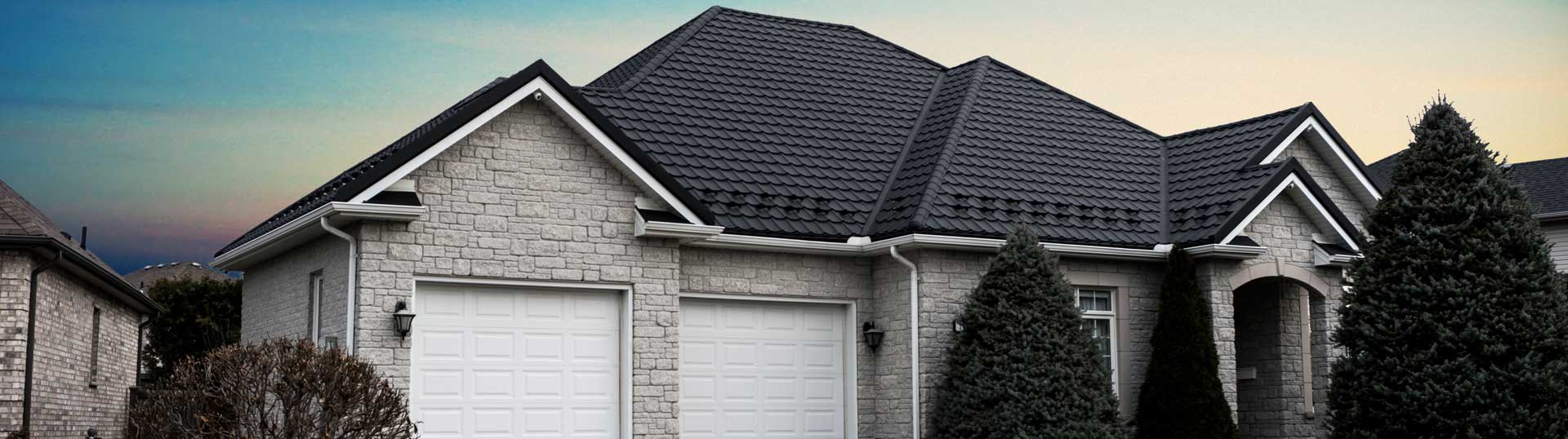

The 40-Year Roof That Pays For Itself

Toronto’s climate demands roofing solutions that perform under stress. Traditional asphalt shingles require replacement every 15–20 years, creating endless cycles of removal, disposal, and reinstallation. Durable metal roof installation changes this equation fundamentally. A properly installed metal roof easily lasts 40–50 years, fundamentally altering the cost-benefit analysis for property owners.

The initial investment in durable metal roof installation runs higher than conventional roofing—typically 10–15% more upfront. However, this comparison misleads facility managers who fail to calculate total cost of ownership across decades. A building owner facing their third roof replacement in 45 years finally understands the financial advantage of metal roofing’s extended lifespan.

Why Fall Is the Optimal Installation Window

Toronto fall provides ideal conditions for durable metal roof installation. Moderate temperatures, low humidity, and stable weather patterns allow crews to work efficiently without the complications that summer heat or winter freeze impose. Cool air enables sealants and fastening systems to cure at the proper rate, ensuring maximum performance during harsh winters.

Crews can complete installations before snow arrives, eliminating winter delays that compress schedules and inflate labor costs. Early completion also means the system withstands its first winter at full strength, reducing emergency repair calls and interior water damage risks that plague incomplete installations.

How Metal Roofing Resists Toronto’s Harshest Weather

Fall storms test roofing integrity immediately. Metal panels resist uplift better than traditional materials, with modern fastening systems holding firm under sustained wind loads. The material’s inherent strength means expensive structural reinforcement becomes unnecessary.

During winter months, snow sheds cleanly from metal surfaces rather than accumulating into dangerous loads. Ice buildup causes less stress because metal’s smooth surface minimizes adhesion compared to porous asphalt shingles. This performance advantage directly reduces interior damage risk and structural strain over decades of exposure.

Spring thaw cycles that create serious problems for other roofing materials pose minimal challenges for durable metal systems. Water drains rapidly rather than pooling in microfractures that lead to interior leaks.

Energy Performance Reduces Operating Costs

Modern metal roofing features reflective coatings that moderate temperature swings significantly. During summer, these coatings reduce heat absorption, lowering cooling costs. Winter performance proves equally valuable—the stable surface temperature reduces thermal stress and associated material expansion cycles that shorten traditional roof lifespans.

Interior spaces maintain more consistent temperatures with less HVAC system strain. For commercial properties, this translates directly to lower utility bills. Residential owners notice improved comfort and reduced heating demands during Toronto’s long cold season.

Design Flexibility Supports Modern Aesthetics

Contemporary metal roofing has evolved far beyond industrial appearance. Clean panel profiles suit modern architectural styles seamlessly. Muted color options and finishes complement classic structures without appearing out of place. This versatility means durable metal roof installation doesn’t require aesthetic compromise.

Coatings resist fading and maintain appearance without the repainting cycles that older metal systems demanded. Property owners gain lasting visual appeal alongside performance benefits.

The Economic Reality Over 55+ Years

Over five decades, a durable metal roof installation pays for itself through eliminated replacement cycles alone. When you add avoided emergency repairs, reduced energy consumption, and extended facility lifespan, the financial case becomes overwhelming. Property owners making this choice today invest in stability that extends far beyond their ownership tenure, supporting property value and operational reliability for decades.

Why Are Metal Roofs Beating Toronto Snowstorms?

Toronto gets one hundred twenty-two cm of snow per year. That weight crushes traditional roofs. Metal roofing Toronto homes feature now sheds snow naturally and lasts fifty years.​

The Numbers Behind Metal’s Winter Success

Traditional asphalt shingles last fifteen to twenty years in Toronto’s climate. Metal roofs last fifty years or more. That’s triple the lifespan.​

Studies show metal roofs save homeowners thirty percent on cooling costs and reduce heating costs too. Energy savings add up to six hundred to eight hundred dollars annually.​

Snow shedding reduces roof stress by seventy percent compared to asphalt. Metal’s smooth surface releases snow before dangerous loads build.​

How Snow Behaves On Different Roof Types

Asphalt shingles have rough, layered surfaces. Snow and ice grip these textures. Weight accumulates. Ice dams form at eaves.​

Metal roofs have smooth, slippery surfaces. Snow slides off when temps rise above zero. This prevents dangerous accumulation.​

Toronto temps swing from minus eighteen to plus five regularly. These swings melt bottom snow layers on metal roofs. Gravity pulls snow down and off.​

Ice Dam Prevention

Ice dams cause millions in damage yearly. They form when snow melts, flows to roof edges, and refreezes.​

Asphalt shingles create layers where water pools. Metal roofs have vertical seams that channel water down and off.​

Metal roof edges stay cooler than asphalt. Less heat transfer means less melt-refreeze cycling. Ice dams rarely form on properly installed metal roofs.​

Toronto data shows metal roofs experience seventy percent fewer ice dam incidents than asphalt.​

Wind Resistance During Storms

Toronto winter winds hit seventy-one km per hour or higher during storms. Asphalt shingles lift and tear in high winds.​

Metal panels interlock and fasten securely. Wind can’t get under them. Even at one hundred km per hour gusts, metal roofs stay intact.​

Insurance claims data shows metal roofs file forty percent fewer wind damage claims than asphalt in Ontario.​

Durability Through Freeze-Thaw Cycles

Toronto experiences fifty to eighty freeze-thaw cycles per winter. Water seeps into asphalt shingle cracks. Freezing expands it. Cracks widen.​

Metal doesn’t absorb water. No expansion damage occurs. Coatings prevent rust.​

After twenty years, asphalt shingles show cracking, curling, and granule loss. Metal roofs show minimal wear.​

Energy Performance In Cold Weather

Metal roofs reflect heat back into homes during winter. This reduces furnace runtime by fifteen to twenty percent.​

Insulated metal roof systems achieve R-values of thirty or higher. Asphalt with standard attic insulation hits R-twenty.​

Higher R-values mean less heat escapes. Toronto homeowners save two hundred to four hundred dollars per winter on heating.​

Summer benefits multiply—metal reflects ninety-five percent of solar heat. Cooling costs drop thirty percent.​

Installation and Maintenance Comparison

Metal roof install takes three to five days for average homes. Asphalt takes two to four days.​

Metal needs almost zero maintenance over fifty years. Asphalt requires inspections every five years and repairs every eight to ten years.​

Lifetime costs favor metal significantly. Initial cost runs eight to fifteen dollars per square foot for metal versus four to eight for asphalt. But over fifty years, metal costs less.​

  • Metal lasts fifty-plus years vs. fifteen to twenty for asphalt​

  • Snow sheds naturally, reducing roof stress seventy percent​

  • Ice dams occur seventy percent less often​

  • Wind damage claims drop forty percent​

  • Heating costs fall fifteen to twenty percent​

  • Cooling costs drop thirty percent​

  • Lifetime savings exceed ten thousand dollars​

Toronto Homeowner Adoption Rates

Metal roofing adoption jumped thirty percent in Toronto area from twenty twenty-three to twenty twenty-five. More homeowners recognize long-term value.​

Surveys show eighty-five percent of metal roof owners would choose metal again. Satisfaction rates exceed ninety percent.​

Resale value increases too—homes with metal roofs sell for two to six percent more than comparable homes with asphalt.​

Weather Data Confirms Metal’s Edge

Environment Canada data shows Toronto averages one hundred twenty-two cm of snow annually. Peak snow load events occur three to five times per winter.​

Metal roofs handle loads up to three hundred kg per square meter. Asphalt fails at two hundred kg per square meter.​

Storm damage reports from twenty twenty-four winter show metal roofs sustained eighty percent less damage than asphalt during heavy snow events.​

The Clear Winner

Data proves metal roofing Toronto systems outperform asphalt in every winter metric. Snow shedding, ice dam prevention, wind resistance, energy efficiency, and longevity all favor metal.​

Upfront costs are higher. But fifty-year lifespan and energy savings create positive returns.​

Toronto’s brutal winters demand tough roofs. Metal delivers.​

2026 Church Roof Threats Nobody Talks About

Winter in Toronto can be brutal on church roofs. Most people know about snow and ice damage. But there are hidden threats that deserve your attention.

Let’s talk about what’s coming your way this winter season.

The Freeze-Thaw Cycle Problem

Toronto winters bring constant temperature changes. Water seeps into small cracks during warmer days. When temperatures drop at night, that water freezes and expands. This process pushes cracks wider each time it happens.

Your church roof takes this beating day after day. Small problems become big ones fast. By spring, you might face serious damage that wasn’t there in fall.

Winter Wildlife Looking for Shelter

Birds and squirrels need warm places during cold months. Your church roof offers perfect hiding spots. These animals squeeze through tiny openings you didn’t know existed.

Once inside, they nest in your attic space. Their activities damage insulation and create new entry points. Droppings and nesting materials cause additional problems you won’t see right away.

Ice Dam Formation

Heavy snow sits on your roof all winter long. Heat from inside your building melts the bottom layer. This water runs down toward the edges and freezes again. Ice builds up along the gutters and eaves.

These ice dams block proper drainage when thaws happen. Water backs up under your shingles instead of flowing off. This leads to leaks that damage ceilings and walls inside.

Hidden Moisture Accumulation

Toronto’s winter humidity creates problems people often miss. Warm air from heating systems rises to your attic. When it meets cold roof surfaces, condensation forms. This moisture collects over weeks and months.

Your roof deck and supporting structures absorb this water. Wood begins to rot from the inside out. You won’t notice until the damage becomes severe.

Age-Related Vulnerability

Every roof gets weaker as years pass. Materials that held strong last winter might struggle this year. Winter weather speeds up the aging process dramatically.

Church roofs often cover large spans with complex designs. These structures face extra stress during heavy snow loads. What worked fine for decades might suddenly fail.

Membrane and Flashing Deterioration

Flat sections on church roofs rely on waterproof membranes. Cold temperatures make these materials brittle and less flexible. Cracks develop along seams and connection points.

Flashing around chimneys and vents faces the same issue. Metal expands and contracts with temperature swings. Seals break down faster than during warmer seasons.

Planning for Church Roof Repair Toronto

Spring seems far away right now. But damage happening this winter will need attention soon. Smart church leaders start planning before problems become emergencies.

Professional inspections help catch issues while they’re still small. Getting on a contractor’s schedule early makes sense. Many churches discover damage in March when roofing companies get busy.

Toronto’s weather patterns make timing important for church roof repair Toronto projects. You want work completed before the next winter arrives. Starting conversations now helps ensure that happens.

Taking Action: Call Us Today

Walk around your building after winter storms. Look for icicles and ice buildup patterns. Check inside for water stains on ceilings. These signs tell you something needs attention.

Don’t wait for small problems to grow. The coming months will test your roof’s limits. Being proactive saves you from bigger headaches down the road.

Your church building serves your community year-round. Protecting it starts with understanding what winter really does to roofs. Now you know the threats most people miss.

Why Pick Metal Roofs for Toronto Harsh Winters?

Selecting the right metal roof for a cold climate is essential for long-term protection, energy efficiency, and safety. The best systems are engineered to manage heavy snow loads, prevent ice damming, and endure constant freeze-thaw cycles.

Top Metal Roof Types for Harsh Winters

The most highly recommended metal roof for regions that experience significant snowfall and freezing temperatures is the Standing Seam Metal Roof.

1. Standing Seam Metal Roofs

This type of roof features large, vertical metal panels that join together with raised, interlocking seams. The fasteners are concealed, meaning the metal surface remains smooth and impenetrable.

  • Snow Shedding: The smooth, slick surface and vertical panel design allow snow and ice to slide off efficiently. This snow shedding capability is a major benefit, as it prevents the dangerous buildup of heavy snow loads.
  • Ice Dam Prevention: Because the material’s conductive properties help maintain a more consistent roof surface temperature, and snow sheds more easily, standing seam roofs drastically reduce the conditions under which ice dams form at the eaves.
  • Thermal Movement: The panels are typically installed with “floating” attachments which allow the metal to naturally expand and contract with the wide temperature swings of cold climates (known as thermal cycling) without damaging the material or fasteners.
  • Durability: The interlocking, exposed-fastener-free design provides superior protection against wind uplift—a key defense during harsh winter storms.

2. Stone-Coated Metal Roofing

This option involves metal tiles or shingles coated with ceramic-coated stone granules. It provides the Class A fire rating and longevity of metal but offers the dimensional aesthetic of traditional shingles or tiles.

  • Lightweight: It is significantly lighter than clay or concrete tiles, meaning it can handle the additional weight of heavy snow loads without requiring major structural reinforcement.
  • Impact Resistance: These roofs typically carry the highest possible ratings for hail impact resistance, a common threat during severe winter and spring storms.

Top Features for Cold-Weather Performance

When evaluating any metal roofing material (steel, aluminum, copper, or zinc) for a cold climate, prioritize the following engineering characteristics:

A. Snow and Ice Management Systems

  • Slick Surface: The material must have a smooth surface finish to encourage snow to slide off.
  • Snow Guards / Snow Stops: While the smooth surface is good for shedding snow, it can create a hazard (a “roof avalanche”) by releasing a large, heavy sheet of snow or ice all at once. Snow retention systems (like snow guards or snow stops) are often installed on metal roofs to break the snowpack into smaller, controlled sections, allowing it to melt or shed gradually.
  • Adequate Slope: For maximum efficiency, a metal roof designed for snowy regions should have a minimum slope of 3:12 (a 3-inch rise over 12 horizontal inches) to facilitate shedding.

B. Material Quality and Gauge

  • Gauge/Thickness: Choose a sufficient thickness (lower gauge number indicates thicker metal, such as 24- or 26-gauge steel) to ensure the panels can withstand accumulated snow and ice without denting or deforming.
  • Protective Coatings: High-quality metal must be protected from corrosion. For steel, look for galvanized or Galvalume (zinc and aluminum alloy) coatings. The exposed finish should be a durable resin, which resists chalking, fading, and the corrosive effects of moisture and pollution.

C. Insulation and Ventilation

  • Condensation Control: Proper ventilation (e.g., ridge vents and soffit vents) is vital for metal roofs in cold climates. It prevents warm, moist air migrating from the heated interior from condensing and freezing beneath the metal deck, which can lead to moisture damage and compromised insulation.
  • Insulation: While metal is often reflective (good for summer cooling), it offers poor thermal resistance on its own. It is essential to install the metal roof over sufficient insulation and a good underlayment to maintain heat inside the building and prevent energy loss during winter.

When picking a roof, make sure to look for features like good snow management, strong materials, and proper insulation and ventilation. With the right metal roof, you can protect your home and feel confident that it can handle the challenges of winter.

Guard Churches With Long-Lasting Metal Roofs

A metal roof is the most enduring and cost-effective solution for safeguarding churches and places of worship in the Toronto area. Given the long-term investment and unique architectural requirements of religious buildings, metal roofing provides unmatched longevity, weather resistance, and low-maintenance stewardship.

The Case for Metal Roofing on Churches in Toronto

Churches, mosques, temples, and synagogues are often historical landmarks characterized by unique steeples, domes, and complex rooflines. Protecting these sacred and structurally significant buildings requires a roofing material that offers exceptional durability and minimal disruption over decades. Metal roofing is the superior choice for these reasons:

1. Unmatched Longevity and Stewardship

The primary driver for choosing metal is its service life. While traditional asphalt shingles in the Greater Toronto Area (GTA) may require replacement every 15-20 years due to harsh freeze-thaw cycles and UV exposure, a premium metal roof (such as steel, copper, or aluminum) is engineered to last 50 years or more.

  • Cost Efficiency: Although the initial installation cost is higher, the extended lifespan means the metal roof effectively pays for itself over time by eliminating the need for two or three costly re-roofing projects associated with conventional materials. This commitment to longevity is a powerful demonstration of responsible financial stewardship to the congregation.
  • Legacy Preservation: For historical churches, materials like copper have been proven to last for centuries, aging beautifully with a distinctive patina that preserves the building’s legacy and aesthetic integrity.

2. Superior Resistance to GTA Climate Extremes

Toronto’s climate—featuring heavy snow loads, ice damming, high winds, and intense summer heat—is particularly punishing on traditional roofs. Metal roofing is specifically designed to combat these threats:

  • Ice and Snow Management: Unlike granular shingles that retain snow and promote ice damming, metal roofs are inherently slick. Properly installed metal systems, especially standing seam, allow snow and ice to shed cleanly, preventing destructive ice dam formation and relieving stress from heavy snow loads.
  • Wind and Water Resistance: Metal panels feature concealed fasteners and robust, interlocking designs. This makes them highly resistant to strong winds that can peel back shingle tabs, maintaining a watertight seal through heavy rain and storms.
  • Fire Safety: Metal is a non-combustible material, providing a crucial Class A fire rating that adds an essential layer of safety and protection to the structure.

3. Energy Efficiency and Building Comfort

Churches often feature large, high ceilings, which can make heating and cooling costs substantial. Metal roofing contributes significantly to reducing these energy expenses:

  • Solar Reflectivity: Modern metal roofs utilize special coatings and finishes that reflect solar radiant heat. This keeps the building cooler in the hot Toronto summers, resulting in measurable savings on air conditioning costs.
  • Year-Round Comfort: The improved thermal performance helps stabilize the interior temperature, ensuring the sanctuary remains a comfortable and welcoming refuge for the congregation, regardless of the season.

4. Architectural Versatility and Low Weight

Church buildings present unique architectural challenges, including steep slopes, intricate valleys, and often aging structural supports.

  • Low Weight: Metal is surprisingly lightweight compared to materials like slate or tile. This characteristic is ideal for aging structures, as it minimizes the stress placed on the decades-old roof framing.
  • Aesthetic Integration: Modern metal roofing is available in a wide variety of styles, colours, and profiles, including metal shingles and metal tiles that mimic the look of slate, wood shake, or traditional shingles. This ensures the new roof complements the church’s traditional or contemporary aesthetic while delivering modern performance.

Choosing a metal roof for a church in the Toronto area is a long-term investment in safety, structural integrity, and sustainable financial planning, protecting the sanctuary for generations to come.